By Dr. Bill Rawls, M.D.
Physician, bestselling author of Unlocking Lyme and The Cellular Wellness Solution, Co-Founder and Medical Director of Vital Plan
If you’ve been through antibiotic treatment for Lyme disease, you may have been told to take a probiotic alongside or after the antibiotics. The idea is straightforward: antibiotics are hard on your gut; probiotics help put things back on track.
It’s not wrong advice exactly. But it misses something fundamental. And understanding what it misses influences how you should think about gut health in Lyme recovery entirely.
The conventional framing treats the gut as collateral damage, a casualty of necessary treatment that needs to be patched up afterward. What I’ve come to understand, after two decades of studying this illness and recovering from it myself, is that the gut microbiome isn’t a casualty of Lyme treatment. It’s central to whether recovery happens at all.
Why the Gut Matters More Than You Think
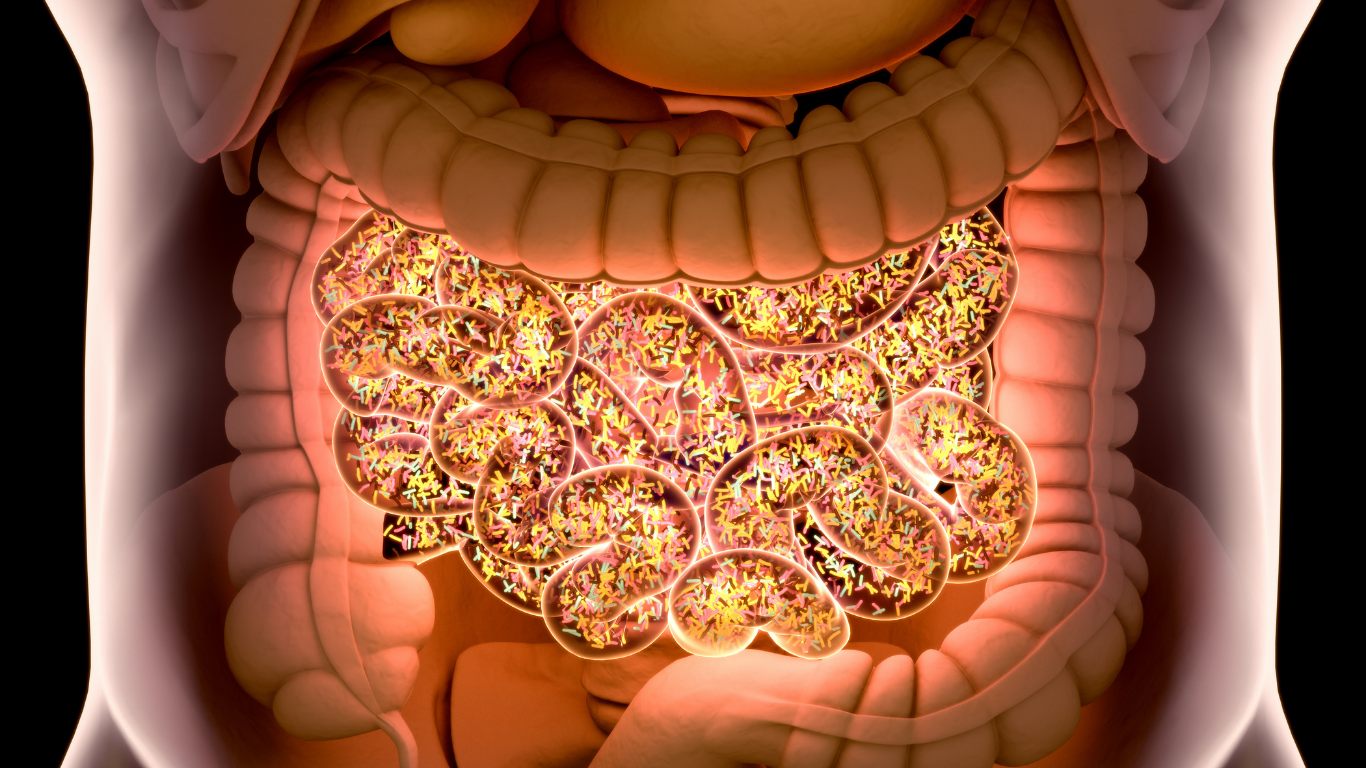
Your gut is home to roughly 100 trillion microorganisms—bacteria, viruses, fungi, protozoa—representing thousands of different species. This community, your gut microbiome, is not a passive bystander in your health. It is one of the most active regulators of immune function in your body.
Approximately 70 to 80 percent of your immune system is housed in and around your gut. The microbiome helps calibrate that immune system by training it to distinguish between genuine threats and harmless material, regulating the inflammatory response, and directly communicating with immune cells throughout the body. A balanced, diverse microbiome leads to a well-trained immune system. A disrupted microbiome, what researchers call dysbiosis, contributes to a weak, dysregulated immune system.
For anyone dealing with Lyme disease, this connection is personal and not merely academic. Chronic Lyme and its co-infections are conditions in which immune dysregulation plays a central role. When the gut microbiome is disrupted, the immune system’s ability to respond appropriately to intracellular pathogens, contain dormant microbes, and resolve inflammation is meaningfully impaired. In other words, a damaged gut microbiome makes Lyme recovery significantly more challenging.
There’s an additional pathway worth understanding. Gut bacteria don’t necessarily always stay in the gut. Some bacteria from the gut constantly trickle across the gut-blood barrier and into the bloodstream. A trickle isn’t a problem that the immune system can’t handle; it’s part of the immune system’s job. But when the gut lining is damaged by dysbiosis, a trickle becomes a flood. That adds additional stress to an already overstressed immune system and increases the load of bacteria and other microbes in tissues throughout the body, including the brain. For someone already dealing with a systemic microbial burden from Lyme and co-infections, this matters considerably.
The Problem With the Standard Approach
This is what most Lyme patients are never told about the antibiotics they’ve taken:
When normal flora are disrupted, opportunistic pathogens fill the vacuum. The dysbiosis that results doesn’t just affect digestion. It affects immune regulation. It affects inflammation. It affects the gut-brain axis, with research now linking gut microbiome disruption to cognitive decline, mood disorders, and neurological symptoms, all of which are common in chronic Lyme.
A 2022 study found that women who had greater than two months of midlife antibiotic exposure had significantly lower cognitive scores later in life. That’s not surprising when you understand that the microbiome is a critical regulator of brain health, not just gut health.
Probiotics help. But the research suggests that standard probiotic supplementation after antibiotic use often restores only a fraction of the microbial diversity that was lost, and sometimes not for months or years. A probiotic is a patch. It doesn’t fully rebuild what was disrupted.
The result for many Lyme patients is a recovery effort that is conducted against a backdrop of ongoing immune dysregulation, all driven by a gut that was never fully restored. They’re fighting the illness with a compromised immune system, and the thing that compromised it was part of the treatment.
What Herbs Do Differently
This is where herbal phytochemicals offer something that I believe is genuinely underappreciated and underutilized, even within integrative medicine circles.
Herbal phytochemicals are selective. They suppress pathogenic organisms while sparing, and in many cases actively supporting, the beneficial bacteria that make up normal flora. This isn’t a minor distinction. It is a fundamentally different relationship with the microbiome than any antibiotic can claim.
A plant’s phytochemical defense system must distinguish between friend and foe, exactly as our immune system must. Antimicrobial phytochemicals selectively target potential pathogens while leaving non-threatening bacteria intact. Some phytochemicals act as signaling agents that actually attract favorable microorganisms. The net effect of consistent herbal use on the microbiome is not disruption. It is rebalancing.
This was documented in a 2019 study published in Biomedicine and Pharmacotherapy, in which researchers examined the interaction between gut microbiota and herbal phytochemicals. They found that herbal phytochemicals promoted the growth of favorable bacterial species while suppressing potential pathogens. They also found something I find particularly compelling: gut bacteria metabolized the herbal phytochemicals into smaller, more bioavailable compounds that enhanced the herbs’ therapeutic effects. The microbiome and the herbs are working together. Each supports the other.
My personal experience, and the experience of thousands of patients I’ve worked with, is consistent: herbal phytochemicals with antimicrobial properties can be taken for years without disrupting the balance of flora in the gut and skin. In fact, many patients report meaningful improvement in gut symptoms after beginning a consistent herbal regimen.
This is what most people get backward. They treat antibiotics as the primary tool and herbs as a supportive add-on. The biology suggests the opposite may be closer to the truth, at least for chronic Lyme and other infection-associated chronic illnesses. Herbs address the infection while simultaneously supporting the immune infrastructure that recovery depends on. Antibiotics address the infection while undermining it.
The Gut-Brain Axis and Neurological Symptoms
One aspect of this connection deserves specific attention for Lyme patients, because neurological symptoms are among the most debilitating and persistent features of chronic illness in this community.
The gut-brain axis, the bidirectional communication network between the gut microbiome and the central nervous system, is one of the most active areas of research in medicine right now. What’s emerging is a picture in which the gut microbiome doesn’t just influence digestion. It directly affects mood, cognition, sleep, pain perception, and neurological function through multiple pathways, including the vagus nerve, immune signaling, and the production of neurotransmitter precursors.
Dysbiosis disrupts this communication. For Lyme patients already dealing with neurological symptoms, disruption of the gut-brain axis adds another layer of impairment on top of what the infection itself is producing. Restoring a healthy microbiome isn’t just about gut symptoms. It’s about neurological recovery as well.
Herbal phytochemicals that support microbiome balance therefore have a reach that extends well beyond the gut. When the microbiome is healthy, the immune system is better regulated, the gut-brain axis communicates more clearly, and the neurological environment becomes less hospitable to the kind of chronic inflammation that drives many of the most persistent Lyme symptoms.
A Different Way to Think About Gut Recovery
The conventional approach to gut health in Lyme recovery tends to be reactive: treat the infection, then repair the damage with probiotics and dietary changes. The framing I’d suggest instead is proactive and integrated.
The gut microbiome is not something to fix after treatment. It is an active partner in recovery that needs to be supported throughout. The choices made about antimicrobial therapy have direct consequences for the immune system’s ability to do its job. Therapies that preserve and support the microbiome aren’t just gentler. They are more strategically aligned with what recovery actually requires.
A few practical principles that follow from this:
Prioritize antimicrobial herbs for ongoing microbial suppression. Herbs like Chinese skullcap, Japanese knotweed, and cat’s claw provide broad-spectrum antimicrobial activity, including documented activity against Borrelia, Bartonella, and Babesia in laboratory research, without disrupting normal flora. For chronic Lyme specifically, this makes them better suited for the sustained, long-term suppression that this illness requires.
Support microbiome diversity through diet. A diet rich in diverse plant foods, fermented foods, and prebiotic fiber provides the substrate a healthy microbiome needs to thrive. The same diet that supports cellular health broadly also supports microbiome resilience specifically.
Protect the gut lining. Herbs like slippery elm support the gut mucosal lining directly, helping maintain the barrier integrity that prevents dysbiosis from becoming leaky gut. For patients with significant gut symptoms, addressing the lining directly is often a necessary step before the microbiome can be fully restored.
Calm the nervous system. Chronic illness drives sustained sympathetic dominance, which slows gut motility and creates conditions for bacterial overgrowth. Restoring balance matters. Adaptogenic herbs like ashwagandha support HPA axis normalization, and deliberate relaxation practices reinforce that shift—giving the gut the neurological conditions it needs to heal.
Treat probiotics as a foundation, not a solution. Probiotic supplementation can be valuable, particularly during and after any antibiotic use. But it is more effective as part of a comprehensive approach to microbiome health than as a standalone remedy for the damage antibiotics cause.
The Larger Picture
The gut microbiome is one of the most important systems in the body for anyone dealing with chronic illness. It is also one of the systems most consistently damaged by the standard treatment approach for Lyme disease.
That’s not an argument against antibiotics in every context. For early Lyme disease in an otherwise healthy person, antibiotics have an important role. But for the chronic, persistent illness that brings most people to this community, the relationship between treatment choices and microbiome health deserves to be part of the conversation.
What herbs offer, among their many other properties, is antimicrobial activity that works with the microbiome rather than against it. That’s not a small thing. It may be one of the most important reasons why consistent, long-term herbal therapy produces the kind of gradual, cumulative improvement that keeps building rather than cycling through treatment and relapse.
The gut, it turns out, isn’t just a casualty of Lyme treatment. It may be one of the keys to getting well.
Dr. Bill Rawls is a licensed physician with over 40 years of experience, the bestselling author of Unlocking Lyme and The Cellular Wellness Solution, and the Co-Founder and Medical Director of Vital Plan. After recovering from chronic Lyme disease using herbal therapy and structured lifestyle change, he has devoted himself to understanding the cellular mechanisms behind chronic illness and what recovery actually requires.
To learn more about Dr. Rawls’s approach to Lyme disease and cellular wellness, visit RawlsMD.com. For the herbal formulas developed around these principles, visit VitalPlan.com.